On 6 June 1944, some 14,000 Canadians came ashore on Juno Beach, an eight-kilometre stretch of coast covering Saint-Aubin-sur-Mer, Bernières-sur-Mer, Courseulles-sur-Mer and Graye-sur-Mer (Veterans Affairs Canada). That day, 359 of them were killed. More than 5,000 Canadians died over the eleven weeks of the Battle of Normandy, according to the same Government of Canada fact sheet.
Tour operators sell this sector as a one-day trip, with a minibus and a commentary. The same loop works just as well on your own by car, starting from the Juno Beach Centre in Courseulles. Here is the order of the stops, what you see at each one and the driving times from Anisy, a village north of Caen that Canadian troops reached on the evening of 6 June.
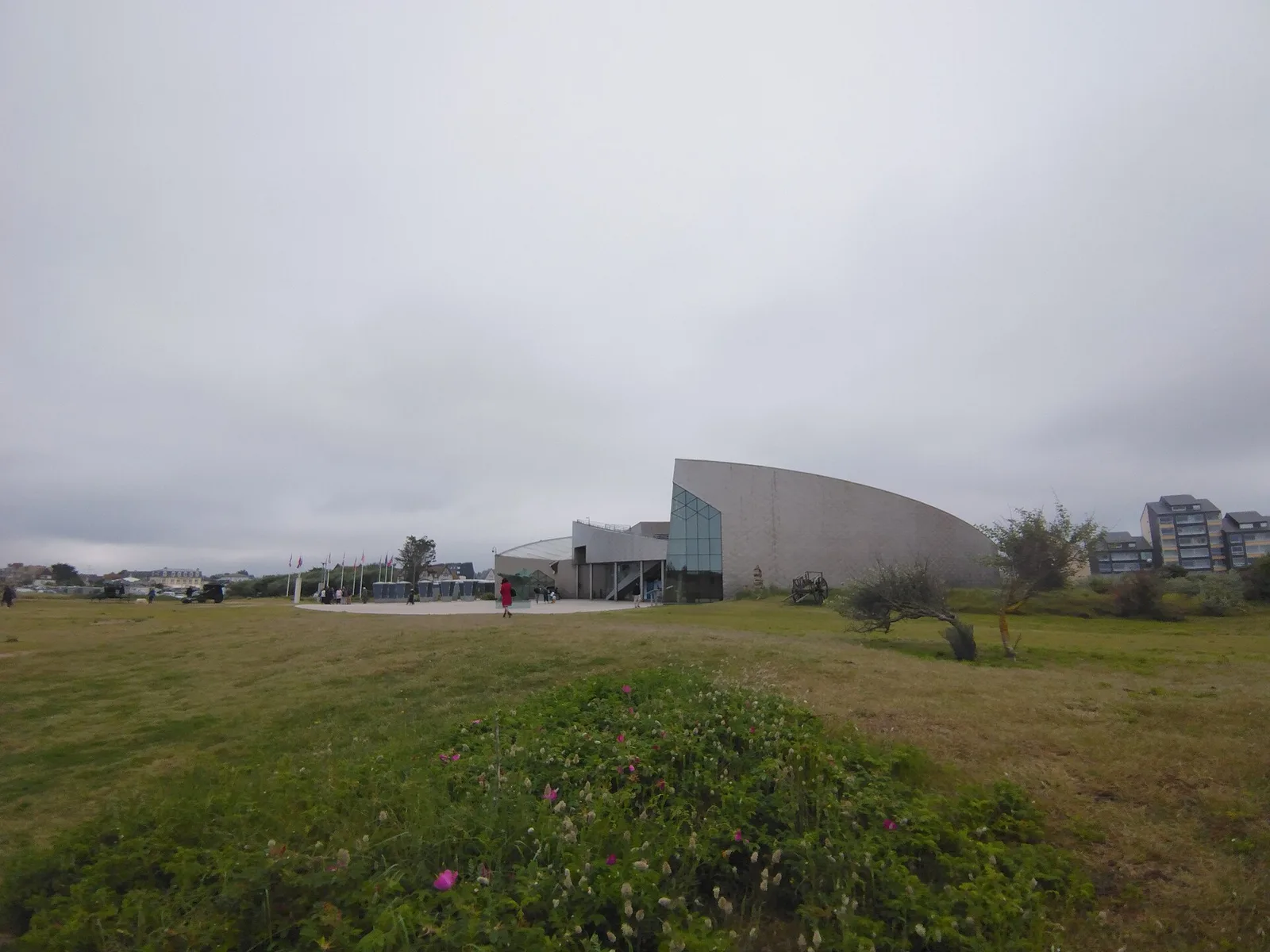
What does the Juno Beach Centre cover, and why start the day there?
The Juno Beach Centre describes itself as the only Canadian museum on the D-Day beaches (Chemins de mémoire, French Ministry of the Armed Forces). It stands on the very beach where the Canadians landed. Starting there gives you the landmarks you will need later on the sand, from regiment names to the villages they were ordered to take.
Key points:
- Where: Voie des Français Libres, Courseulles-sur-Mer, facing the sea (Juno Beach Centre).
- What it covers: Canada’s war effort, at home and at the front, and a tribute to the 45,000 Canadians who died in the Second World War (Caen la mer Tourisme, Canadian Remembrance Route).
- Welcome: a bilingual Canadian guide introduces the visit before a short film of four and a half minutes, then you walk the galleries at your own pace.
- How long: about 90 minutes on average for the museum, according to Chemins de mémoire.
- Juno Park tour: a 45-minute guided tour of the bunkers in front of the museum, led by Canadian guides (Juno Beach Centre).
- Closed: the whole of January and on 25 December.
From Graye to Saint-Aubin: the places of the Canadian sector
Juno was only a code name. The sector was first meant to be called Jellyfish, to match Goldfish and Swordfish, and it runs from Graye-sur-Mer to Saint-Aubin-sur-Mer (Normandie Tourisme). The assault fell to the 3rd Canadian Infantry Division, backed by the tanks of the 2nd Canadian Armoured Brigade.
Courseulles-sur-Mer and Juno Park
In front of the museum, Juno Park preserves the remains of a German strongpoint on the Atlantic Wall. Inside are a German command post and an observation bunker. Both open only on the guided tour, while the park itself is open to anyone, with panels explaining the site, its history and its wildlife (Juno Beach Centre).
Graye-sur-Mer: the Cross of Lorraine and the One Charlie tank
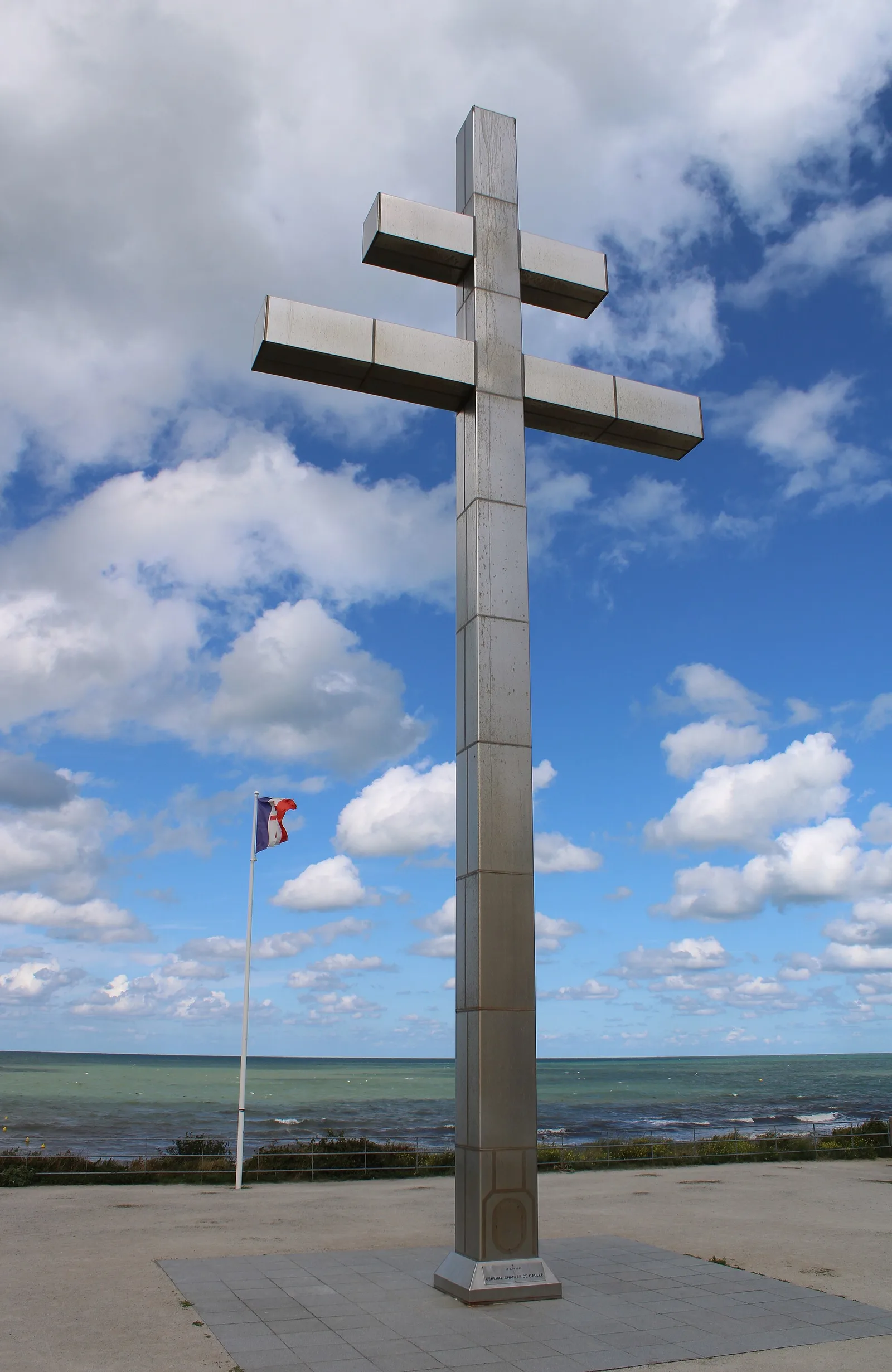
West of Courseulles harbour, a tall cross rises on the dune. The Cross of Lorraine is 18 metres high. It went up in 1990 and recalls General de Gaulle’s return to France on 14 June 1944 (Cœur de Nacre tourist office). A little further on, by the car park, stands a Churchill tank nicknamed "One Charlie".
Bernières-sur-Mer: Canada House
The Queen’s Own Rifles of Canada touched down at Bernières at 8:12 am. Their B Company landed right in front of a concrete strongpoint that was still firing, and lost almost half its men in the first dash across the beach (Queen’s Own Rifles of Canada Regimental Museum). That bunker now carries a large aluminium regimental badge and a bronze plaque (QOR Museum).
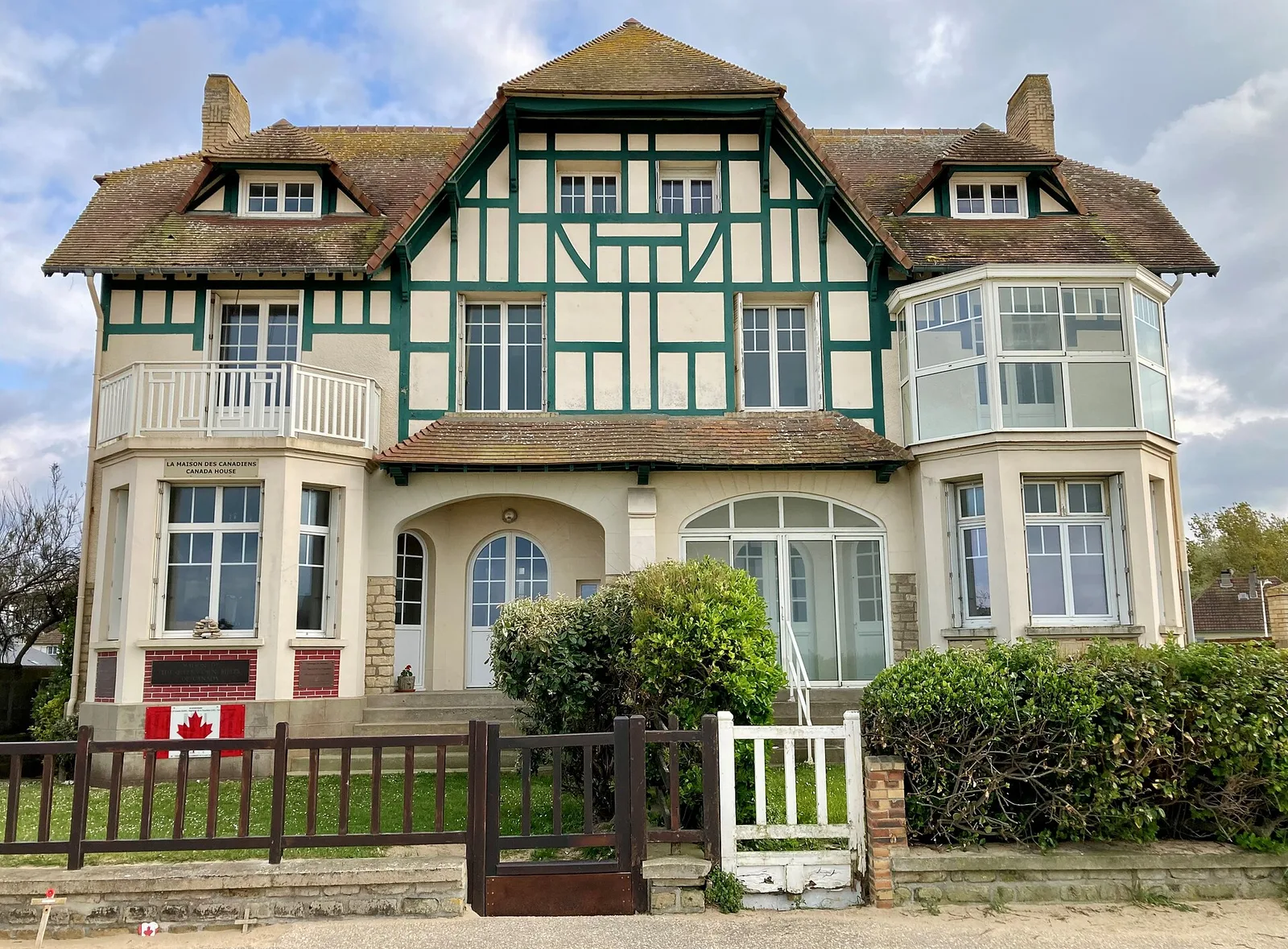
A few steps away, on the seafront, stands the half-timbered villa seen in so many D-Day photographs. Canada House was built in 1928, and German soldiers hiding in its cellars were taken prisoner there. It then served as headquarters for the British Admiral Cooper until September 1944 (Cœur de Nacre).
Saint-Aubin-sur-Mer: the North Shore Regiment
Saint-Aubin closes the sector to the east. The North Shore Regiment from New Brunswick liberated the village, and one in five of its men were Acadians, descendants of French settlers who crossed the Atlantic in the 17th century (Normandie Tourisme). The seafront promenade is an easy walk, past the same row of seaside houses.
Bény-sur-Mer and Reviers: the Canadian war cemetery
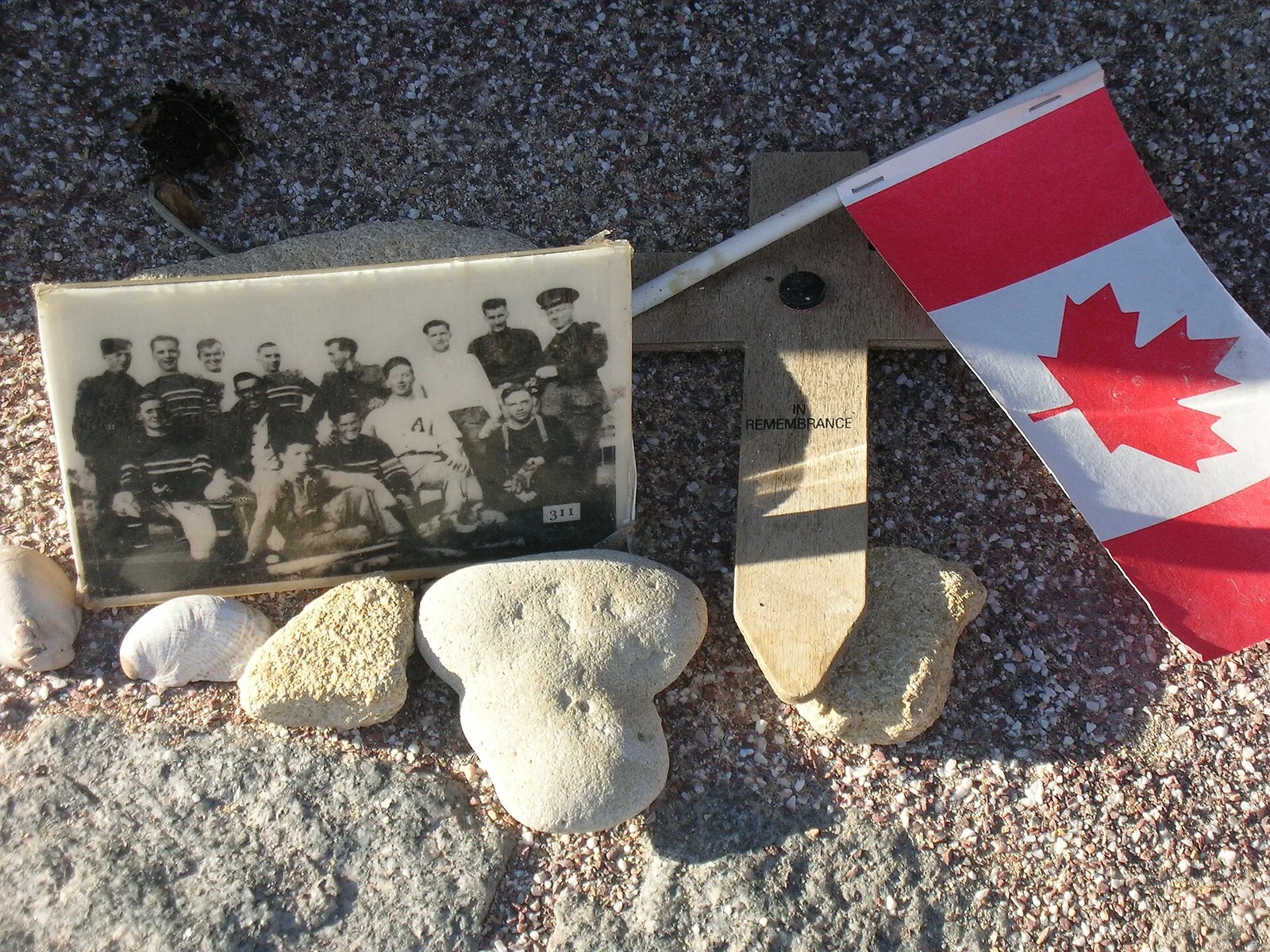
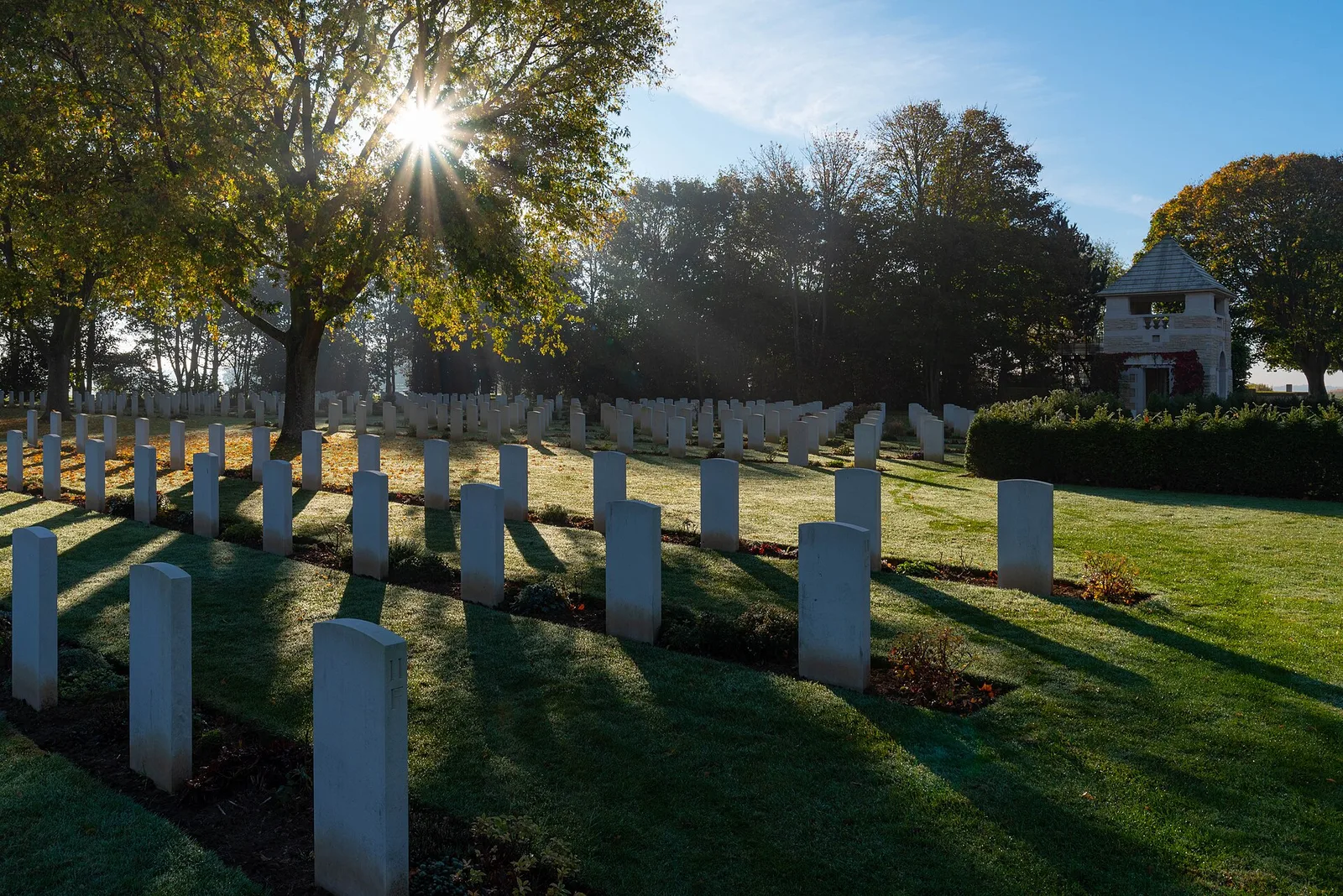
Despite its name, the Bény-sur-Mer Canadian War Cemetery lies near the village of Reviers. It holds 2,049 headstones enclosed by pines and maples, and the registry buildings at the entrance have platforms from which visitors can see the whole area (Veterans Affairs Canada). Among the dead are 335 soldiers of the 3rd Division killed in the landings, and 1,694 soldiers and 15 airmen who fell during the advance inland (Chemins de mémoire).
What to know before you go on your own
Everything fits inside a rectangle of roughly ten kilometres. The beaches themselves are free to walk, as the journal’s article on the D-Day beaches' UNESCO listing explains. The only tickets you need are for the museum and the bunker tour.
The tide changes the beach completely, so check the daily times on the SHOM tide website, France’s official hydrographic service. The Canadian landing began around 8 am on a rising tide that already covered many of the beach obstacles, according to Normandie Tourisme.
Good to know. Juno Park is open all year, but the German command post and the observation bunker can only be visited with a Juno Beach Centre guide. Places are limited and tours can be cancelled in bad weather, so book the tour when you buy your museum ticket.
If you are tracing a relative, look up the name before you travel. The Canadian Virtual War Memorial run by Veterans Affairs Canada lists more than 118,000 Canadians and Newfoundlanders who died in uniform.
A one-day itinerary around the Juno Beach Centre
Every stop is about a quarter of an hour’s drive from Anisy, which leaves time for a lunch break at Courseulles harbour.
| Stop | What you see | Distance from Anisy | By car |
|---|---|---|---|
| Bény-sur-Mer Canadian War Cemetery | 2,049 headstones among pines and maples | 9 km | 11 min |
| Bernières-sur-Mer | Canada House, Queen’s Own Rifles bunker | 11 km | 14 min |
| Courseulles-sur-Mer | Juno Beach Centre, Juno Park, harbour | 12 km | 15 min |
| Graye-sur-Mer | Cross of Lorraine, One Charlie tank | 12 km | 15 min |
| Saint-Aubin-sur-Mer | Seafront, North Shore Regiment beach | 12 km | 16 min |
| Ardenne Abbey | Canadian memorial garden | 7 km | 12 min |
Driving times calculated on 7 October 2026 with the open-source OSRM route planner, without traffic, from the centre of Anisy.
Morning: the Juno Beach Centre and Juno Park
Arrive at the Juno Beach Centre when it opens, ahead of the coach groups. Allow 90 minutes for the museum, then join the guided tour of Juno Park if the season allows.
Midday: Courseulles harbour and the Cross of Lorraine
After lunch at the harbour, walk west along Juno Park to the Cross of Lorraine and the One Charlie tank.
Afternoon: Bernières, Saint-Aubin, then Bény-sur-Mer
Drive east. In Bernières, walk from Canada House to the Queen’s Own Rifles bunker, then carry on to the seafront at Saint-Aubin. Late in the afternoon, head inland to the Bény-sur-Mer cemetery, when the light drops low across the rows of white headstones.
Evening: the Queen’s Own Rifles road to Anisy
From Bernières, the Queen’s Own Rifles pushed inland through Bény-sur-Mer, Basly, Colomby-sur-Thaon and the Anguerny heights. They reached their objective at 5:30 pm, and their most forward position that evening was Anisy, taken by D Company (QOR Museum). According to the Cœur de Nacre tourist office, Canadian troops covered 12 km that day from the beach to Anisy and Mathieu. Their whole day, from the beach at Bernières to the village memorial, is told step by step in the journal’s article on the Queen’s Own Rifles at Anisy.
Practical guide to the Canadian sector
Beaches and open-air memorials are free to visit. Museum opening hours and prices change with the season, so the link goes to the official page.
The Juno Beach Centre
- What you see: the museum of Canada’s war, then Juno Park and its Atlantic Wall remains.
- From Anisy: 15 minutes.
- Admission: museum and bunker tour are paid, opening hours and prices on the official website.
- Good to know: closed in January and on 25 December; ticket sales end 45 minutes before closing.
The Cross of Lorraine and the One Charlie tank
- What you see: the 18-metre cross on the Graye dune, and a Churchill tank from the landings.
- From Anisy: 15 minutes.
- Admission: open-air memorials, no ticket.
- Good to know: the path starts at Courseulles harbour and runs along Juno Park.
Canada House
- What you see: the 1928 villa at 34 avenue des Français, facing the beach at Bernières.
- From Anisy: 14 minutes.
- Admission: the facade is visible from the seafront; free guided tours by appointment, according to Cœur de Nacre.
- Good to know: the house appeared on a Canadian stamp issued on 7 November 1994.
The seafront at Saint-Aubin-sur-Mer
- What you see: the beach liberated by the North Shore Regiment and its seaside villas.
- From Anisy: 16 minutes.
- Admission: beach and promenade free to walk.
- Good to know: the Cœur de Nacre tourist office has a desk in Saint-Aubin, as well as in Courseulles and Luc-sur-Mer.
The Bény-sur-Mer Canadian War Cemetery
- What you see: the graves of the 3rd Canadian Division, enclosed by pines and maples.
- From Anisy: 11 minutes.
- Admission: the official pages of Veterans Affairs Canada and Chemins de mémoire mention no ticket or fee.
- Good to know: Canadians who fell later in the Battle of Normandy rest in the Bretteville-sur-Laize Canadian War Cemetery.
Ardenne Abbey
- What you see: the Canadian memorial garden, within the walls of a 12th-century abbey.
- From Anisy: 12 minutes.
- Admission: the garden is open every day, according to Caen la mer Tourisme.
- Good to know: in June 1944, 21 Canadian prisoners were executed here; they were only found in 1945.
Why stay north of Caen for the Canadian sector?
From the north of Caen, the whole Canadian sector is a quarter of an hour away, and the Caen Memorial museum is 12 minutes away for the next day.
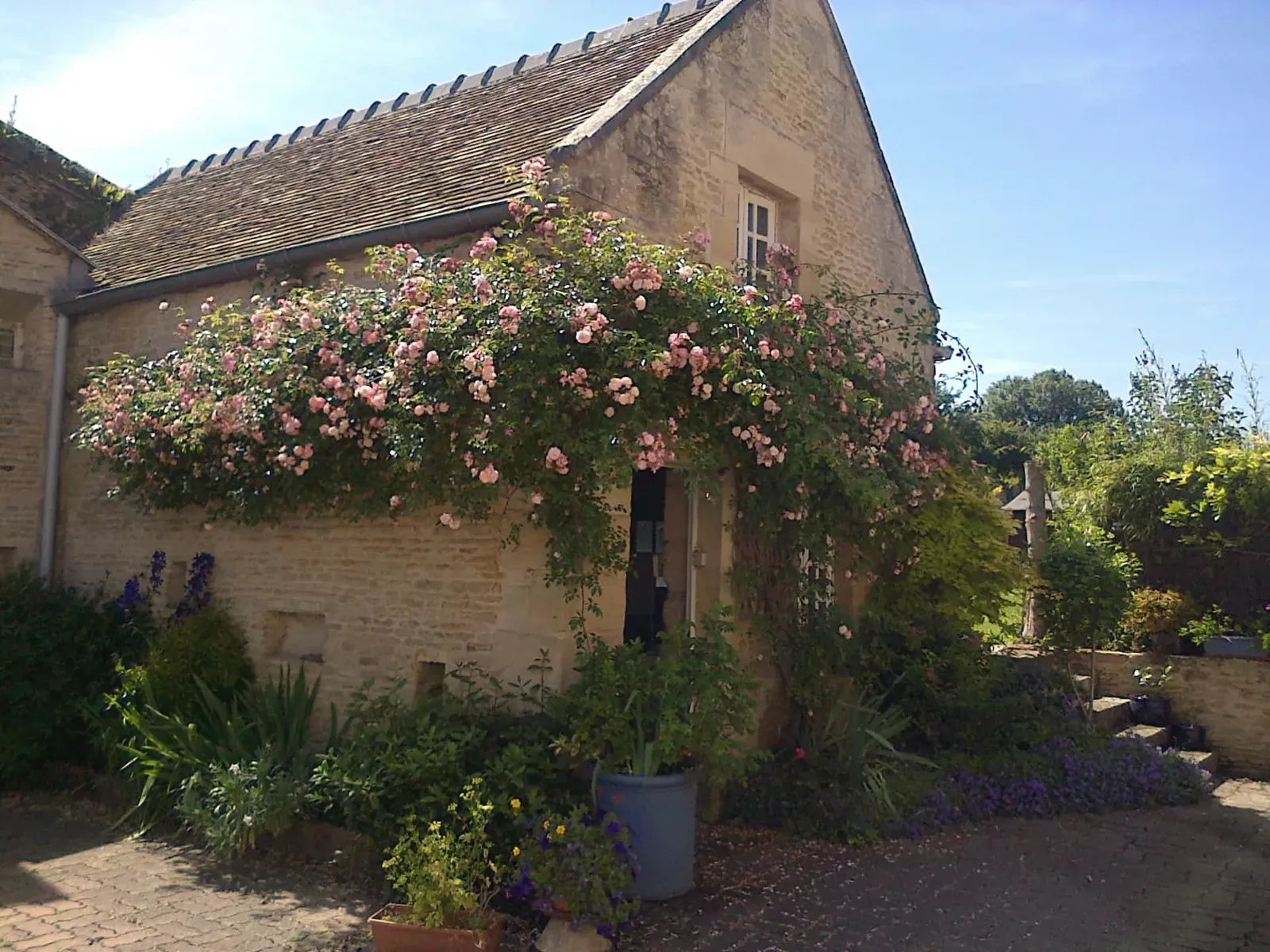
La maison bleue is a small stone cottage in the village, sleeping four, in a quiet place of about seven hundred people. There are no shops or restaurants in the village, so a list of restaurant addresses waits on the fridge. Two guests wrote this after their stay:
"Perfect location to explore the beaches and different locations from D-Day." Martin, July 2026
"This was a great home base location for us, we went, north, south, east and west from Anisy." James, July 2022
Free dates and the price of each night are shown in the cottage calendar. Your booking request goes straight to Patricia, who replies in English, French or Italian.
Tips for a day without a guide
Book the bunker tour together with your museum ticket, especially in July and August. Wear walking shoes for the dune path between Courseulles harbour and Graye. If you are looking for one grave at Bény-sur-Mer, note the soldier’s details from the Canadian Virtual War Memorial beforehand. The journal’s guide to Bény-sur-Mer Canadian War Cemetery explains how to find a grave reference before you leave. The Juno Beach Centre also offers a reduced "low carbon" rate to visitors arriving by train, bus or bike.
Key takeaway. The Canadian sector fits into one day, without a guide, no more than 16 minutes' drive from Anisy. Start at the Juno Beach Centre, keep Bény-sur-Mer for late afternoon, and drive home along the Queen’s Own Rifles road.
Frequently asked questions
How much time does the Juno Beach Centre need?
Allow about 90 minutes for the museum, according to Chemins de mémoire. Add 45 minutes for the guided tour of Juno Park.
Are the Juno Park bunkers open without a guide?
The park is open all year, with information panels along the way. The German command post and the observation bunker, however, only open on the guided tour. It is open to visitors aged six and over.
Where did the Canadians land on D-Day?
On Juno Beach, from Graye-sur-Mer to Saint-Aubin-sur-Mer, through Courseulles and Bernières. About 14,000 Canadians came ashore there on 6 June 1944. Their leading troops reached Anisy that same evening.
Is a car necessary?
A car is the simplest way to link the stops in one day. In summer, the NOMAD Car line 125 runs along the beaches as far as Courseulles, according to Normandie Tourisme.
What else is on the Canadian route near Caen?
Ardenne Abbey keeps a Canadian memorial garden, open every day. The Caen Memorial museum covers the whole Battle of Normandy. Further south, the Bretteville-sur-Laize cemetery holds the other Canadians who fell in the Battle of Normandy.